When to Schedule Wisdom Teeth Removal in Oxnard CA
Timing matters more than most people expect when it comes to wisdom teeth. I have seen patients breeze through recovery because they addressed the issue early, and I have also seen people wait until a painful flare-up, only to face a more difficult procedure, a longer recovery, or an infection that could have been prevented. The right time for removal is not the same for every person, but there are clear patterns dentists and oral surgeons watch for.
If you are trying to decide when to schedule Wisdom Teeth Removal Oxnard CA, it helps to think beyond your calendar. The real question is whether your wisdom teeth are healthy, fully erupted, easy to clean, and likely to stay out of trouble. In many cases, they are not. These third molars usually appear in the late teens or early twenties, a period when jaw growth is nearing completion and lifestyle schedules are already crowded with school, work, sports, and travel. That is why timing the procedure thoughtfully can make such a difference.
Why wisdom teeth become a problem so often
Wisdom teeth are the last adult teeth to develop, which means they arrive after the rest of the mouth has already claimed its https://jaredhnii969.opalvector.com/posts/wisdom-teeth-removal-in-oxnard-ca-what-young-adults-should-expect space. Some people have enough room for them and never need them removed. That does happen. It is just less common than people hope.
More often, wisdom teeth come in at an angle, stay trapped under the gums, press against neighboring molars, or partially erupt and create a pocket that is almost impossible to keep clean. Food and bacteria collect there. The gum becomes inflamed. A patient may notice swelling behind the second molar, bad breath that does not improve with brushing, a strange taste, jaw soreness, or pain when chewing on that side.
One of the trickiest things about wisdom teeth is that they can cause trouble before they cause obvious pain. An impacted tooth may be damaging the tooth next to it or developing a cyst around the crown without producing strong symptoms yet. That is why timing should be based on an exam and imaging, not just whether the tooth hurts today.
The age window many oral surgeons prefer
There is a reason many dentists bring up wisdom teeth during the mid-teen years. In general, late adolescence through the early twenties is often the most favorable time for removal when removal is likely to be needed. At that stage, the roots may not be fully formed, the bone tends to be less dense, and healing is usually faster. Most healthy teenagers and young adults also recover with fewer complications than older adults.
That does not mean every 16-year-old should have surgery immediately. It means this is the ideal period to evaluate the situation carefully. If imaging shows that the wisdom teeth are impacted, crowding adjacent teeth, or unlikely to erupt normally, many clinicians recommend planning removal before repeated infections or damage begin.
By the late twenties, thirties, and beyond, wisdom tooth removal can still be done safely and routinely. It is done every day. The procedure may simply become more technically involved in some cases because the roots are fully developed and the surrounding bone is firmer. Recovery can also feel a bit slower. This is not meant to alarm older patients. It is just one reason earlier evaluation is often helpful.
Signs it may be time to stop waiting
Some people already know their answer because symptoms keep recurring. Others are unsure because the discomfort comes and goes. In practice, a pattern of repeated irritation usually means the tooth is not behaving like a harmless bystander.
Here are common signs that the timing may be right to schedule an evaluation soon:
- swelling or tenderness behind the last molar
- repeated gum infections around a partially erupted wisdom tooth
- pain when chewing, opening wide, or biting on the back teeth
- food trapping, bad breath, or an unpleasant taste from the area
- x-rays showing impaction, crowding, decay, or damage to the neighboring tooth
Even one of these signs can justify a closer look. Repeated episodes are especially telling. I have seen patients treat the same inflamed gum flap three or four times with rinses and antibiotics, only to realize the real solution was removing the tooth that kept triggering the problem.
Summer break, winter break, and the practical side of scheduling
For high school and college students, the best medical answer still has to work with real life. School breaks are often a smart time to plan wisdom tooth surgery because they allow room for rest, follow-up, and a few lower-energy days without missing classes or exams. In Oxnard, many families aim for early summer or a winter break, especially if the patient plays sports or has a demanding school schedule.
That said, there is a big difference between planning ahead and postponing for convenience when active symptoms are present. If there is infection, swelling, significant pain, or damage visible on x-rays, waiting several more months just to fit a perfect vacation window may not be worth the risk. A manageable problem can become an urgent one at the least convenient time, such as the week before finals or the day before a flight.
Adults often try to fit the procedure around work projects, childcare, and limited time off. In those cases, a Thursday or Friday surgery can be practical, giving the weekend for the toughest recovery period. Office workers sometimes return to light duties within a few days, while people in physically demanding jobs often need more downtime. That part should be discussed honestly before scheduling. It is much easier to plan properly than to realize too late that lifting, talking all day, or being on your feet is making recovery harder.
When earlier removal makes clinical sense
There are cases where the recommendation to remove wisdom teeth sooner is based on more than convenience. Impacted teeth that are angled toward the second molar, partially erupted teeth with chronic gum inflammation, and teeth associated with cystic changes or decay often fall into this category. In those situations, the issue is not whether the tooth will ever become a problem. The issue is that the problem has already started, even if symptoms are mild.
Partially erupted lower wisdom teeth are a classic example. They often create a small flap of gum tissue that traps bacteria. Patients describe a cycle. The area swells, the jaw feels tight, chewing becomes unpleasant, then it settles down for a while and seems tolerable again. That short-lived improvement can create a false sense that nothing needs to be done. Clinically, though, repeated inflammation suggests the area will continue to flare.
Another reason not to delay is the health of the second molar. If the wisdom tooth is pushing against it or making it impossible to clean the back side, the valuable tooth in front can develop decay or bone loss. Protecting that second molar is often one of the strongest reasons to move forward.
When watchful monitoring is reasonable
Not every wisdom tooth needs to come out. A fully erupted wisdom tooth that is positioned correctly, easy to clean, free of decay, and not harming surrounding tissues may be monitored instead of removed. Some people have all four wisdom teeth and keep them for life without trouble. Others have one or two that stay and one or two that need removal.
Monitoring is most sensible when the teeth are healthy and the patient is consistent about exams and imaging. The key is not to confuse watchful monitoring with wishful thinking. If a tooth cannot be kept clean, if the gums around it are chronically irritated, or if x-rays show changes over time, the plan may need to shift.
This is where an experienced local evaluation matters. A provider familiar with Wisdom Teeth Removal Oxnard CA will look not only at the image, but also at your bite, symptoms, oral hygiene access, travel plans, school schedule, and general health. Good timing decisions come from that full picture.
The role of x-rays and clinical exam
People are often surprised when a dentist recommends removal even though they do not feel pain. X-rays explain why. Wisdom teeth can sit below the gumline in a position that is clearly unfavorable. They may be pushing sideways, remaining trapped under bone, or developing roots close to anatomical structures that need to be considered carefully.
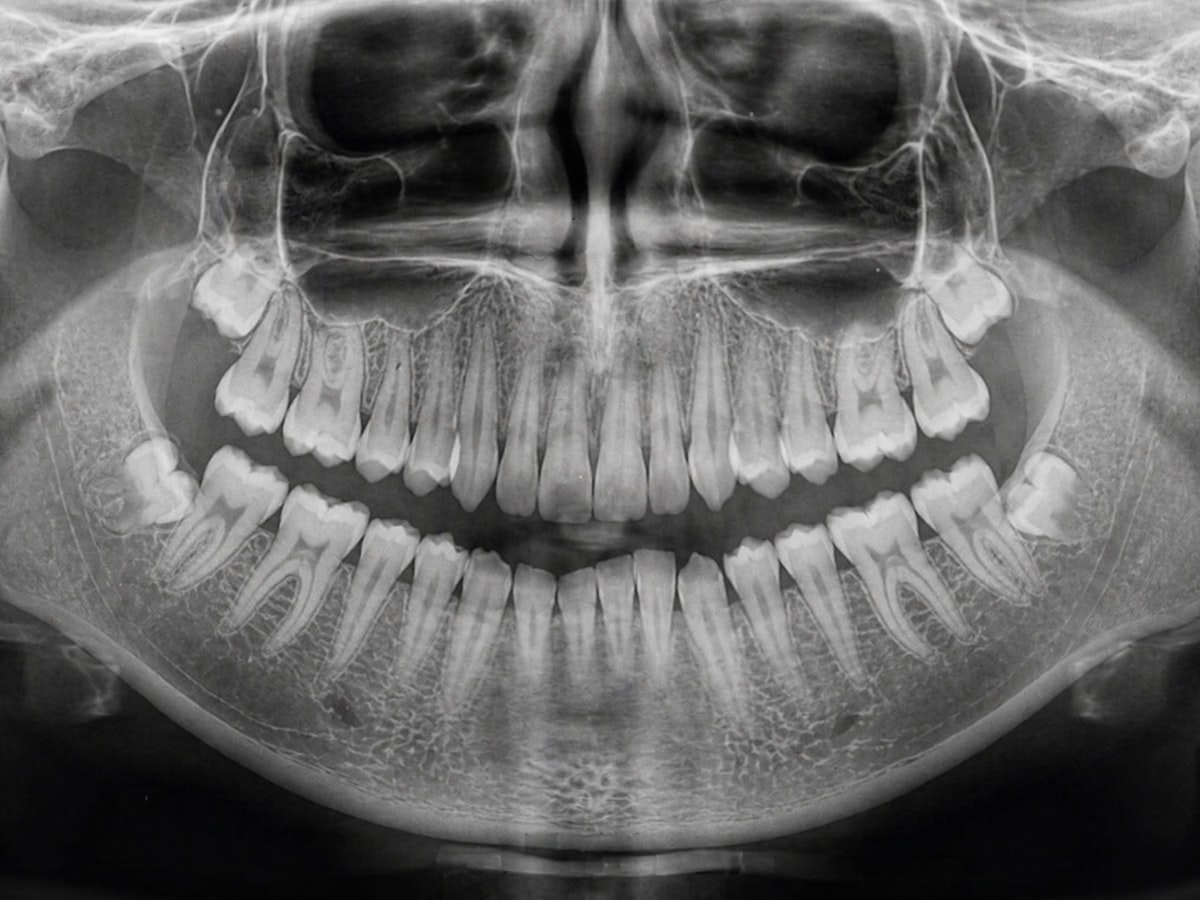
A panoramic x-ray is commonly used to assess the position of the wisdom teeth relative to the jawbone, sinus areas, and nearby teeth. Sometimes additional imaging is advised if the roots appear close to a nerve canal or if the anatomy is unusually complex. The exam also helps determine whether there is active infection, gum inflammation, decay, or limited opening.
The best scheduling decisions are usually made after this kind of review, not from guesswork. Some teeth can wait. Some should be planned in the next few months. Some are already sending clear signals that sooner is better.
Why waiting too long can backfire
People delay for understandable reasons. They are not in much pain. They have a busy month. They had a friend with a rough recovery and want to avoid surgery. I understand all of that. The problem is that wisdom teeth rarely become easier to manage by being ignored.
An untreated infection can flare quickly. A partially erupted tooth can decay in a spot that is difficult to repair. Pressure and food trapping can compromise the molar in front. In some cases, what could have been a planned outpatient procedure becomes an urgent appointment after a weekend of swelling and lost sleep.
There is also the simple reality of healing. Younger tissue and less complete root development often make the overall process more straightforward. Again, older adults can do very well, but the margin for easy recovery tends to be better when a problematic wisdom tooth is dealt with earlier rather than later.
What time of year tends to work best in Oxnard
There is no medically superior month for everyone, but there are practical patterns. Students often choose June, July, December, or early January. Adults who work standard schedules frequently look for a time that does not collide with major deadlines or travel plans. Parents sometimes choose a window when household support is available for rides, meals, and the first postoperative day.
In Oxnard, lifestyle can influence timing in other ways too. Patients involved in outdoor work, athletics, or active summer routines should consider the first few recovery days seriously. Heat, strenuous exercise, and long active days are not ideal right after surgery. A quiet recovery period indoors, with hydration and rest, is much more comfortable than trying to power through a packed weekend schedule.
It is also wise not to schedule surgery right before a major event if you can avoid it. Most people do well, but bruising, swelling, and fatigue are common enough that a wedding, work presentation, tournament, or vacation departure should not be sitting one or two days later on the calendar.
Questions worth asking at the consultation
A good consultation should leave you with a realistic sense of urgency, complexity, and recovery expectations. If the explanation feels vague, ask for specifics. You want to know why the recommendation is being made now rather than later.
Several questions tend to be especially useful:
- Are the wisdom teeth impacted, partially erupted, or fully erupted?
- Is there any current damage to the tooth in front, gum tissue, or jawbone?
- Would waiting likely change the difficulty of the procedure?
- How many days should I plan to be off work, school, sports, or the gym?
- What kind of anesthesia or sedation options make sense in my case?
Those answers help turn a general idea into an actual plan. They also reveal whether removal is preventive, urgent, or somewhere in between.
Recovery timing matters as much as procedure timing
For many patients, scheduling is really about recovery. They want to know when they can talk normally, return to work, eat regular food, or exercise. The range varies by age, the position of the teeth, and whether all four are removed at once, but a few broad patterns are reliable.
The first 48 to 72 hours are usually the most demanding. Swelling tends to peak around that period. Softer foods are easier. Rest matters. Many patients feel substantially better after several days, but the extraction sites continue healing for longer than that. If sedation is used, someone will need to drive the patient home, and the rest of that day should stay light.
People with desk jobs may be comfortable returning relatively soon, especially if they can speak less and take breaks. Teachers, sales professionals, performers, and anyone whose work involves sustained talking may prefer a little more cushion. Athletes and gym regulars should ask specifically when they can resume strenuous activity, because increasing blood pressure too early can aggravate bleeding and discomfort.
Special situations that change the timing
There are a few scenarios where the decision is more individualized. Pregnant patients, for example, may postpone non-urgent removal until a better time unless there is active infection or significant pain that requires treatment. Patients with certain medical conditions or medications may need coordination with their physician. Someone with an upcoming orthodontic plan may be advised to time wisdom tooth removal around that treatment.
Travel is another big one. If you are leaving town for an extended period and your wisdom teeth have been intermittently symptomatic, it is usually unwise to gamble that they will stay quiet. I have heard too many versions of the same story: the tooth never really hurt at home, then swelled on a trip where getting care was harder and more expensive. If a tooth has been acting up and you have a long trip coming, that should be part of the timing conversation.
A practical way to decide
If you are unsure whether to move forward now or wait, think in three layers. First, what do the x-rays and exam show? Second, have symptoms started, even if they are mild or occasional? Third, does your near-term schedule offer a realistic recovery window? When all three point in the same direction, the decision becomes much easier.
A patient with impacted lower wisdom teeth, recurrent gum swelling, and a free week during winter break has a clear opportunity. A patient with symptom-free, fully erupted wisdom teeth that are easy to clean may be a candidate for monitoring instead. Most real cases fall somewhere between those extremes, which is why personalized advice matters more than generic timelines.
The best time to schedule Wisdom Teeth Removal Oxnard CA is usually before a manageable issue becomes an emergency, and during a period when recovery can be respected rather than squeezed into an impossible schedule. That may mean late teens, it may mean early twenties, or it may mean now, because the signs are already there. The important thing is not to wait for severe pain to make the decision for you. A timely evaluation gives you options, and with wisdom teeth, options are worth a lot.
Oxnard Dentistry
1730 E Gonzales Rd
Oxnard, CA 93036, United States
Phone: +1 805-307-8731
FAQ About Wisdom Teeth Removal Oxnard CA
How much does it cost to get wisdom teeth removed in California?
Fees depend on tooth position, the number of extractions, imaging and anesthesia. Oxnard Dentistry can provide an individual estimate after examining your teeth. Ask for an itemized plan and confirm insurance benefits before scheduling.
Will insurance cover wisdom teeth removal?
Coverage and out-of-pocket costs vary by policy and the treatment required. Ask the dental office and your insurer to verify benefits, annual limits and any authorization requirements. A benefit estimate does not guarantee payment.
Is 30 too old to have wisdom teeth removed?
Age alone does not determine whether extraction is appropriate. A dentist evaluates symptoms, tooth position, oral health and medical history. Healthy, functional wisdom teeth may be monitored; teeth causing disease or other problems may need treatment.